
Exploring Natural Nutritional Support for Men's Well-being
Understanding vitamins, minerals, and natural compounds for a balanced lifestyle
Introduction to Men's Nutritional Needs
Men's nutritional requirements vary across different life stages, from young adulthood through middle age and beyond. A balanced diet rich in essential nutrients supports energy levels, cognitive function, bone health, and overall vitality. Understanding these fundamental nutritional principles helps establish habits that contribute to long-term well-being.
Proper nutrition provides the building blocks for bodily functions, supports immune response, and aids in maintaining optimal performance in daily activities. This section explores the general nutritional framework that contributes to men's health without offering specific medical advice or dietary prescriptions.
Key Vitamins for Male Health
Vitamins play essential roles in maintaining bodily functions and supporting overall well-being. Understanding their general functions helps illustrate the importance of diverse nutrition.
Essential Vitamins
- Vitamin D: Supports bone health, immune function, and calcium absorption. Sunlight exposure and dietary sources contribute to adequate levels.
- B-Complex Vitamins: Support energy-yielding metabolism, nervous system function, and red blood cell formation. Found in various whole grains and proteins.
- Vitamin C: Supports immune function and collagen formation. Abundant in citrus fruits, berries, and leafy greens.
- Vitamin E: Functions as an antioxidant, supporting cellular health. Present in nuts, seeds, and plant oils.
- Vitamin A: Essential for vision and immune support. Found in orange and green vegetables.

Essential Minerals for Men
Minerals support critical bodily processes including muscle function, energy production, and maintaining structural integrity. A varied diet typically provides adequate mineral intake.
Key Minerals
- Zinc: Supports immune function and protein synthesis. Sources include lean meats, shellfish, legumes, and seeds.
- Magnesium: Involved in over 300 enzymatic reactions, supporting muscle and nerve function. Found in leafy greens, nuts, and whole grains.
- Selenium: Functions as an antioxidant and supports thyroid function. Present in Brazil nuts, whole grains, and seafood.
- Iron: Supports oxygen transport in the blood. Present in red meat, legumes, and fortified cereals.
- Calcium: Critical for bone health and muscle function. Found in dairy products, leafy greens, and fortified plant-based alternatives.

Antioxidants and Their Role in Overall Well-being
Antioxidants are naturally occurring compounds that help protect cells from oxidative stress caused by environmental factors. Understanding their general role illustrates why diverse plant-based foods are valuable components of a balanced diet.
Common antioxidant compounds include polyphenols, flavonoids, and carotenoids, found abundantly in colorful fruits and vegetables. While individual antioxidant compounds have been studied, the overall benefit comes from consuming varied whole foods rather than isolated supplements.
A diet rich in antioxidant sources—such as berries, dark leafy greens, nuts, and whole grains—contributes to cellular health as part of a comprehensive nutritional approach.

Understanding Amino Acids and Proteins
Amino acids are organic compounds that serve as building blocks for proteins, which are essential for virtually every bodily function. The human body synthesizes some amino acids but requires others from dietary sources.
Protein and Bodily Functions
Proteins support:
- Muscle maintenance and repair
- Enzyme and hormone production
- Immune function
- Nutrient transport
- Overall structural integrity
Quality protein sources include lean meats, fish, eggs, legumes, nuts, and dairy products. A balanced diet typically provides sufficient protein for normal bodily functions.
Dietary Sources of Key Nutrients
Whole foods provide naturally occurring combinations of nutrients and beneficial compounds. The following foods are excellent sources of the vitamins and minerals discussed:

Fresh Fruits
Rich sources of vitamin C, antioxidants, and fiber. Berries provide concentrated antioxidant compounds. Citrus fruits support immune function. A variety of colors indicates diverse nutrient profiles.

Leafy Greens & Vegetables
Excellent sources of vitamins A, C, K, and minerals including magnesium and iron. Dark leafy greens contain particularly high concentrations of antioxidants and minerals. Cruciferous vegetables offer unique phytonutrients.
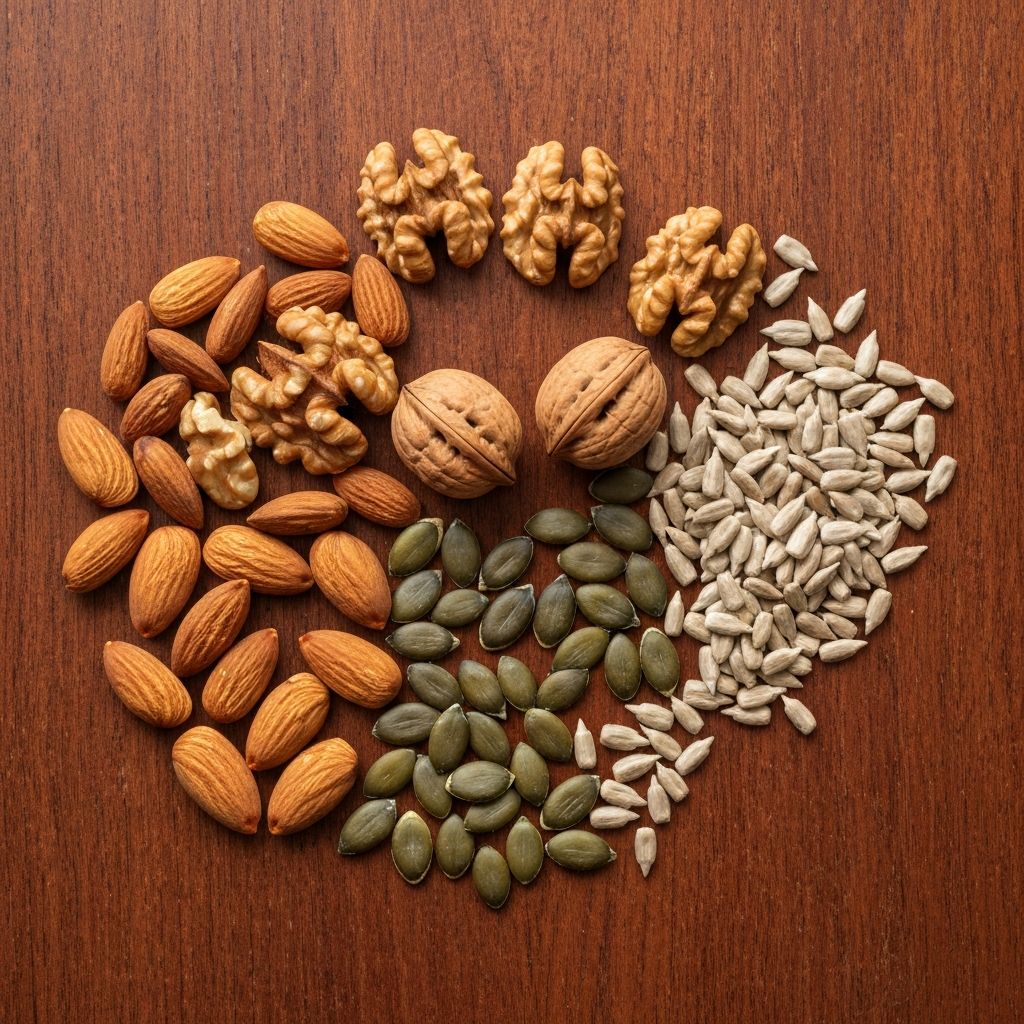
Nuts & Seeds
Provide vitamin E, selenium, magnesium, and beneficial fats. Almonds, walnuts, and pumpkin seeds are nutrient-dense options. These foods support overall nutritional intake when included regularly.
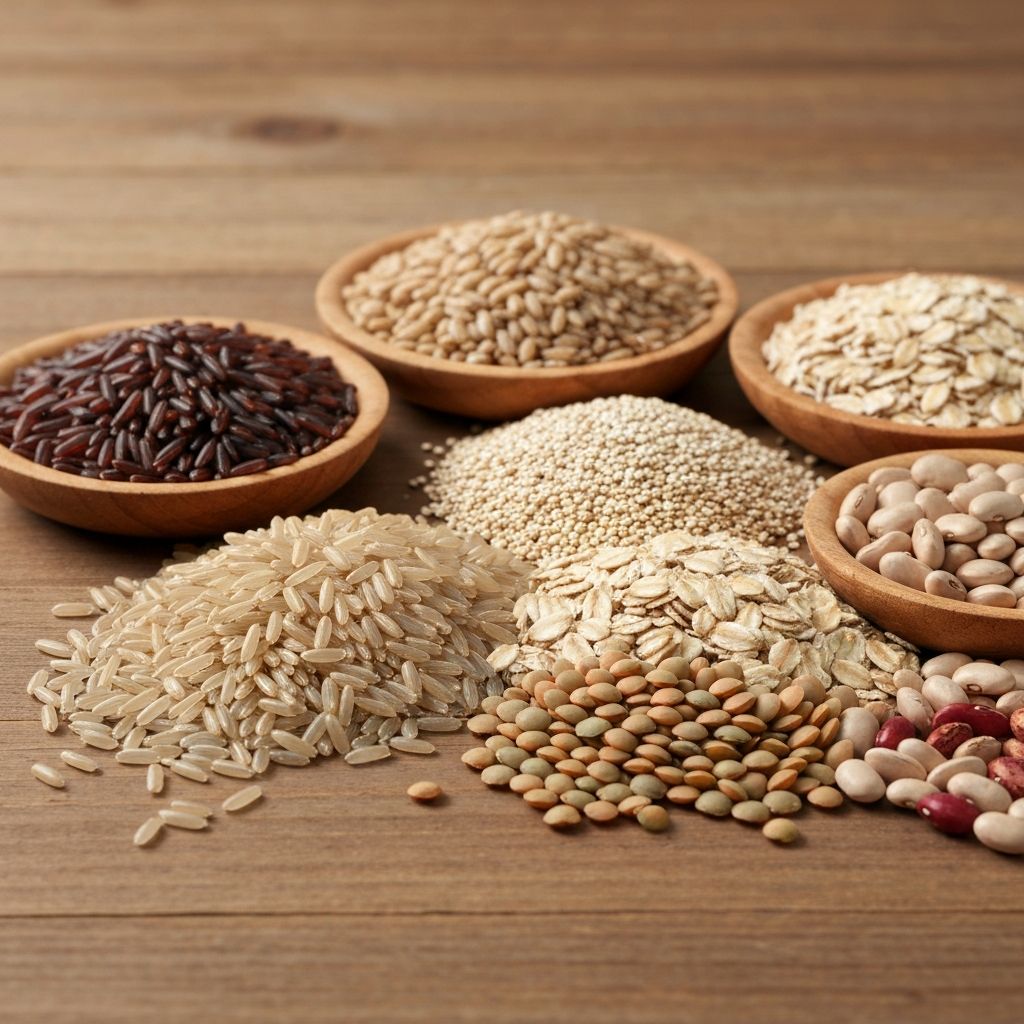
Whole Grains & Legumes
Sources of B-vitamins, magnesium, iron, and fiber. Brown rice, oats, quinoa, and legumes provide sustained energy and diverse nutrients. These foods form the foundation of balanced eating patterns across many cultures.
Lifestyle Factors Supporting Men's Health
Nutrition is just one component of overall well-being. Non-dietary factors significantly influence health outcomes and should be considered as part of a comprehensive approach to wellness:
- Regular Physical Activity: Supports cardiovascular health, bone density, muscle maintenance, and mental well-being. Consistency is more important than intensity.
- Adequate Sleep: Essential for recovery, cognitive function, and immune support. Most adults benefit from 7-9 hours per night.
- Stress Management: Chronic stress affects digestion, sleep, and immune function. Regular relaxation practices support overall resilience.
- Social Connection: Meaningful relationships contribute to mental and physical health outcomes. Community engagement supports long-term well-being.
- Hydration: Adequate fluid intake supports every bodily function. Water remains the best choice for daily hydration needs.
- Limited Alcohol Consumption: Moderate choices support overall health. Guidelines suggest awareness of individual consumption patterns.
The Importance of Hydration
Water is fundamental to all bodily processes, comprising approximately 60% of body weight in adults. Adequate hydration supports:
- Nutrient transport and absorption
- Temperature regulation
- Joint lubrication and cartilage support
- Toxin elimination through kidneys
- Cognitive function and mood
- Physical performance and endurance
Daily fluid needs vary based on activity level, climate, and individual factors. General guidance suggests approximately 8-10 glasses (2-3 liters) daily for most men, with increased intake during exercise or warm weather. Plain water remains the optimal choice for regular hydration.
Dispelling Common Nutritional Myths
Myth: "More protein is always better"
Fact: Most adults require modest amounts of protein (0.8 grams per kilogram of body weight daily). Excessive intake doesn't provide additional benefits and may strain kidneys in susceptible individuals. Balanced nutrition is more important than maximizing single nutrients.
Myth: "Supplements can replace whole foods"
Fact: Whole foods contain synergistic combinations of nutrients and beneficial compounds that isolated supplements cannot replicate. Food-based nutrition remains superior for most health outcomes and should be the primary source.
Myth: "All fats are unhealthy"
Fact: Healthy fats from sources like nuts, seeds, fish, and olive oil support brain function, hormone production, and nutrient absorption. Balance and food quality matter more than total fat content.
Myth: "Carbohydrates should be minimized"
Fact: Quality carbohydrates from whole grains, fruits, and vegetables provide essential energy and nutrients. The type and quality of carbohydrates matter more than quantity for general health.
How Diet Impacts Energy and Focus
The relationship between dietary choices and cognitive performance is well-established. Consistent energy levels and mental clarity depend on regular, balanced nutrition rather than sporadic high-calorie consumption.
Key Principles for Sustained Energy:
- Balanced Meals: Combining proteins, complex carbohydrates, and healthy fats supports stable blood sugar and sustained energy throughout the day.
- Regular Eating Patterns: Skipping meals or irregular eating disrupts energy availability and cognitive function. Consistent meal timing supports optimal performance.
- Hydration Status: Dehydration impairs concentration, mood, and physical performance. Maintaining adequate fluid intake is fundamental.
- Micronutrient Adequacy: B-vitamins, iron, and magnesium specifically support energy metabolism and cognitive function. Varied nutrition provides these essential components.
- Whole Foods Over Refined Options: Foods with intact fiber provide sustained energy release, while highly processed foods create energy fluctuations.
Individual dietary needs vary, and consulting with qualified healthcare professionals can help optimize nutrition for specific goals and health status.
Explore Further
Discover more resources and information about men's nutritional well-being:
Our Catalog
Learn more about natural nutritional support options and their general functions in maintaining well-being.
Explore further →About Pnevon
Understand our mission as an educational resource dedicated to clear, unbiased information about men's nutrition.
Learn more about →Contact Us
Have questions or want to discuss nutritional information? Reach out to our team for informational correspondence.
Get in touch →Educational Content Only. No Promises of Outcomes.
This site provides general informational content only. It does not offer individual medical advice, endorse specific products for treatment, or replace professional healthcare consultations. Nutritional needs vary, and any changes to diet or supplement intake should be discussed with a qualified healthcare professional.